
The Elephant in the Room
It’s summer and yet the global mood is undeniably heavy. Geopolitical instability and the relentless hum of a polycrisis have left us in a state of distress — the American Psychological Association found that nearly three-quarters (73%) of adults are simply overwhelmed by the number of crises facing the world right now. [LINK]
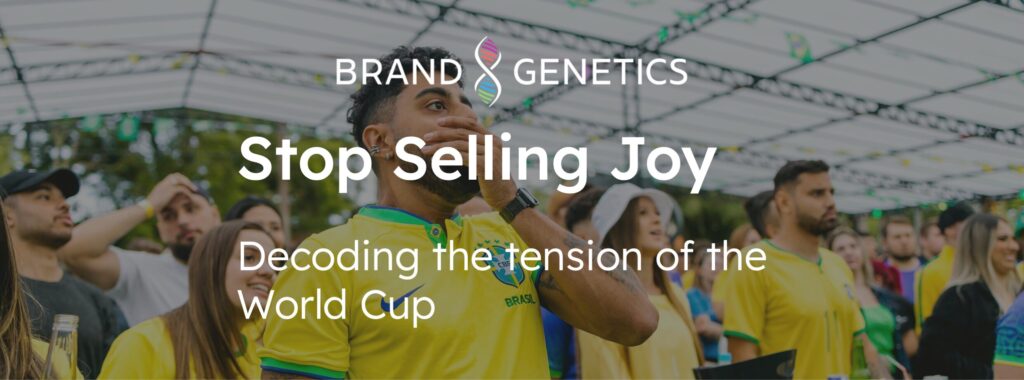
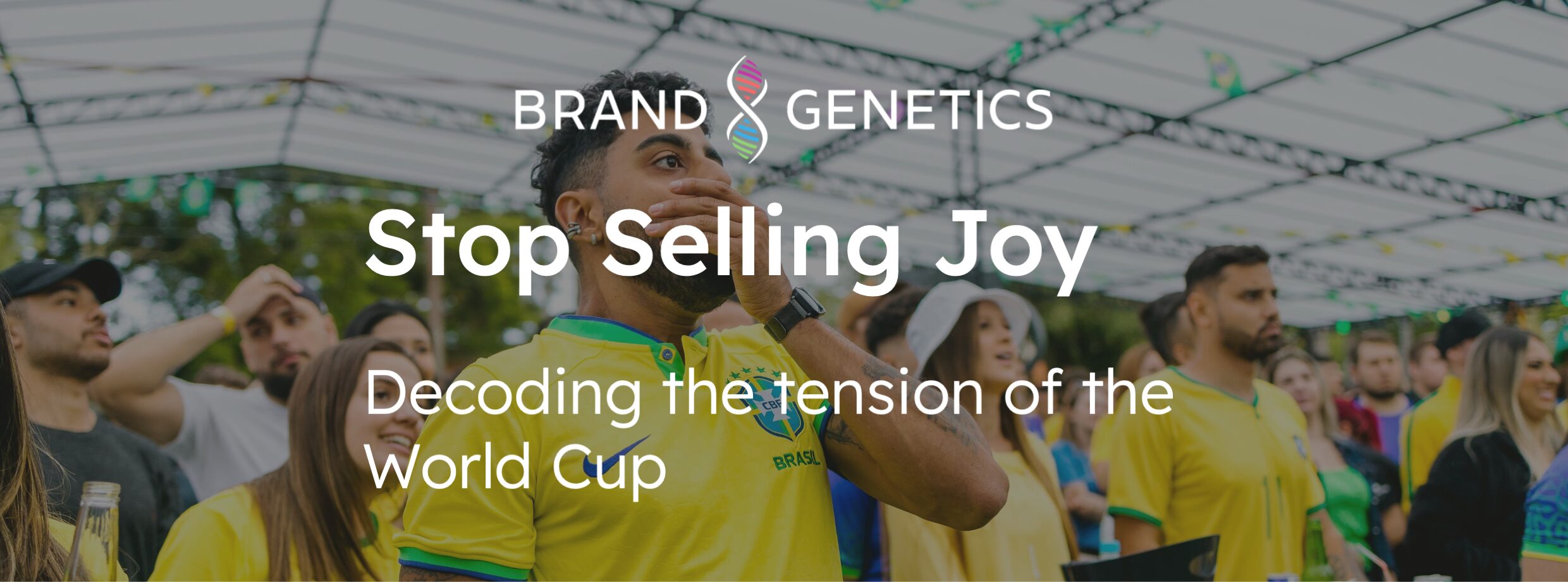
So, when the FIFA World Cup (FWC) kicks off across North America in a few days time, why are we expected to sit back and enjoy a month of even more tension? Why would a stressed-out population opt into a tournament defined by jeopardy and last-minute heartbreak?
The answer is counter-intuitive: In an unpredictable world, we seek out “Chosen Stress” to save our sanity.
When we think of stress, it often carries a negative connotation. Work Stress, school stress, relationship stress. But from a psychological perspective, these are all examples of what we call distress. However, there is such a thing as positive stress and the FWC is the perfect eNabler of it.
The Infrastructure of Intensity
The FWC 2026 is not just another tournament. With 48 teams and a record 104 matches, the 2026 environment is an always-on “Tension Engine.” Yet, unlike the messy, open-ended distress of our daily lives, the World Cup is a catalyst for Eustress — positive, constructive stress. It is what makes sports so enjoyable to watch.
It is time-bound, with clear rules and guaranteed resolution. When we watch, we experience a psychological “tunnel vision” that naturally narrows our attention to the central action, effectively filtering out the peripheral “distress” of the real world [LINK]. We aren’t de-stressing; we are trading uncontrollable anxiety for a safe, formulaic adrenaline ride.
The Power of Group Catharsis
The stressful environment the FWC creates is not only a positive one. It is also a social one. The FWC is a way we move from the isolating ‘me’ anxiety of distress to an exhilarating ‘we’ anxiety of eustress.
Against the backdrop of a “loneliness epidemic,” where social isolation carries a mortality risk equivalent to smoking 15 cigarettes a day, the World Cup provides a vital psychological relief valve [LINK]. Going through collective cycles of tension and release with millions of others is a powerful bonding experience; neuroscientists call this “inter-brain synchrony,” proving that shared emotional events literally sync up our brain activity, dissolving the boundaries of the isolating ‘me’ into the exhilarating ‘we’. [LINK]
In a society where raw emotional expression is increasingly frowned upon, the World Cup is one of the few remaining safe spaces for Collective Catharsis.
The Sponsor’s Alibi: Facilitating the Scream
Most brands will approach the World Cup with the same playbook: selling “joy,” “unity” and “celebration.” At Brand Genetics, we believe this misses the real commercial opportunity. Fans aren’t looking for a brand to tell them everything is fine. They are looking for a brand to facilitate their release.
Budweiser’s 2022 campaign, “The World Is Yours To Take,” owned the most high-tension space in sports: the player’s tunnel. Instead of a hyper-polished “celebration” of the finish line, the ad pulled the viewer into the dark, heart-pounding moments before the pitch. It didn’t try to stop the adrenaline; it rode it. The brands that win don’t de-stress the World Cup; they treat it like the high-stakes emotional powerhouse it is.
The ‘Golden Moment’ of purchase intent happens when emotional arousal is at its absolute peak. The physiological tension built up during a game doesn’t just vanish at the final whistle — it transfers. When a brand intercepts this high-stakes window, purchase intent shifts from a logical decision to a visceral, biological impulse. [LINK].
Smart brands won’t try to stop the stress; they will recognise it as a necessary psychological safe space.
Don’t sponsor the party; sponsor the scream.
Are you speaking the language of your fans’ true motivations?
To understand all 8 deep psychological drivers behind sports fandom download our full report… Winning With Fans: How brands can harness the power of sports fan motivations.